


Mastering Soft Naan Bread at Home: A Soft Naan Bread Recipe
- Dev Biswal
- May 4
- 4 min read

There is something truly magical about the soft, pillowy texture of freshly made naan bread. It’s the perfect companion to a rich curry or a simple dip, and mastering it at home can elevate your culinary repertoire. Today, I want to share with you the secrets to creating soft naan bread that melts in your mouth, with a recipe that’s approachable and rewarding. Whether you’re a seasoned cook or a curious beginner, this journey into the heart of Indian bread-making will delight your senses and your dinner table.
The Art of Soft Naan Bread: A Soft Naan Bread Recipe
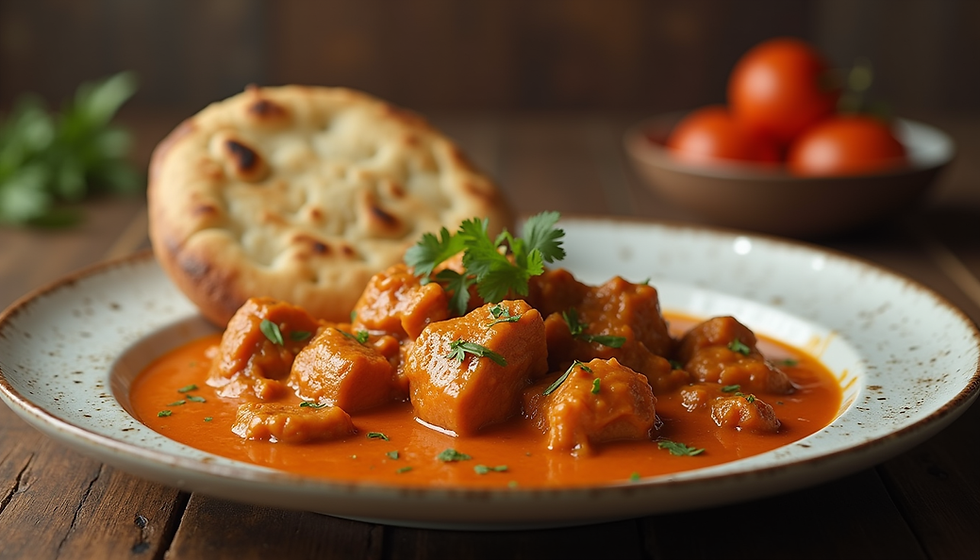
Naan bread is a staple in many South Asian cuisines, known for its soft, chewy texture and slightly charred spots that add a smoky flavour. The key to achieving that softness lies in the dough’s ingredients and the cooking method.
To start, you’ll need simple pantry staples: all-purpose flour, yeast, sugar, salt, yoghurt, and warm water. The yoghurt is essential—it tenderises the dough and adds a subtle tang that balances the bread’s richness. The yeast gives the naan its characteristic rise and fluffiness.
Here’s a quick overview of the process:
Activate the yeast: Mix warm water with sugar and yeast, letting it bubble up.
Mix the dough: Combine flour, salt, yoghurt, and the yeast mixture.
Knead and rest: Knead until smooth, then let the dough rise until doubled.
Shape and cook: Divide the dough, roll into ovals, and cook on a hot skillet or tandoor-style oven.
The magic happens when the dough hits the hot surface, puffing up and developing those signature brown spots. Brushing the naan with melted butter or ghee right after cooking adds a glossy finish and extra flavour.

If you want to dive deeper into the step-by-step process, I highly recommend checking out this detailed guide on how to make soft naan bread. It’s a fantastic resource that complements what I’m sharing here.
Is Naan Bread Ok for a Diabetic?
When considering naan bread in a diabetic-friendly diet, it’s important to understand its carbohydrate content and glycaemic impact. Traditional naan is made from refined flour, which can cause blood sugar spikes if consumed in large quantities. However, moderation and mindful pairing can make naan a part of a balanced meal.
Here are some tips to enjoy naan bread wisely:
Portion control: Limit yourself to one small piece to keep carbohydrate intake in check.
Pair with protein and fibre: Eating naan alongside lentils, vegetables, or lean meats slows sugar absorption.
Opt for whole wheat naan: Substituting all-purpose flour with whole wheat flour increases fibre content, which is beneficial for blood sugar management.
Avoid added sugars: Some recipes add sugar or honey; reducing or omitting these can help.
By making small adjustments and enjoying naan as part of a varied diet, it can still be a delightful addition without compromising health goals.
Essential Tips for Perfectly Soft Naan Every Time
Achieving that soft, tender texture is all about technique and attention to detail. Here are some practical tips I’ve learned through trial and error:
Use warm liquids: Yeast activates best in warm water or milk, around 40°C. Too hot, and it kills the yeast; too cold, and it won’t activate.
Don’t over-knead: Knead just enough to develop gluten but keep the dough soft and pliable.
Rest the dough well: Allowing the dough to rise fully makes the naan lighter and airier.
Cook on high heat: A hot skillet or griddle mimics the tandoor’s intense heat, creating those signature bubbles and charred spots.
Brush with butter or ghee: This not only adds flavour but keeps the naan moist.
Experimenting with these tips will help you find your perfect balance. Remember, every kitchen is different, so slight adjustments might be necessary.

Variations to Elevate Your Naan Experience
Once you’ve mastered the basic soft naan bread recipe, it’s fun to explore variations that add new dimensions of flavour and texture. Here are some ideas to inspire your next batch:
Garlic naan: Mix finely chopped garlic into the dough or brush garlic butter on top after cooking.
Herb naan: Add fresh coriander, mint, or fenugreek leaves to the dough for a fragrant twist.
Cheese-stuffed naan: Place a small amount of grated cheese inside the rolled dough before cooking for a gooey surprise.
Spiced naan: Incorporate spices like cumin, nigella seeds, or chilli flakes into the dough for a subtle kick.
These variations not only enhance the taste but also make your homemade naan a conversation starter at any meal.
Bringing It All Together: Your Homemade Soft Naan Journey
Making soft naan bread at home is more than just a recipe - it’s an experience that connects you to centuries of culinary tradition. The process invites patience and care, rewarding you with bread that’s warm, fragrant, and utterly satisfying.
As you practice, you’ll notice how the dough responds to your touch, how the aroma fills your kitchen, and how the first bite melts softly on your tongue. This is the joy of cooking - transforming simple ingredients into something extraordinary.
I encourage you to embrace this journey, experiment with flavours, and share your creations with loved ones. Soft naan bread is a humble yet elegant addition to any meal, and mastering it at home opens the door to countless delicious possibilities.
Happy baking, and may your kitchen always be filled with the comforting scent of fresh naan!
The Cook’s Tale invites you to explore authentic Odia culinary traditions and beyond, bringing the warmth of home-cooked bread to your table.


Comments